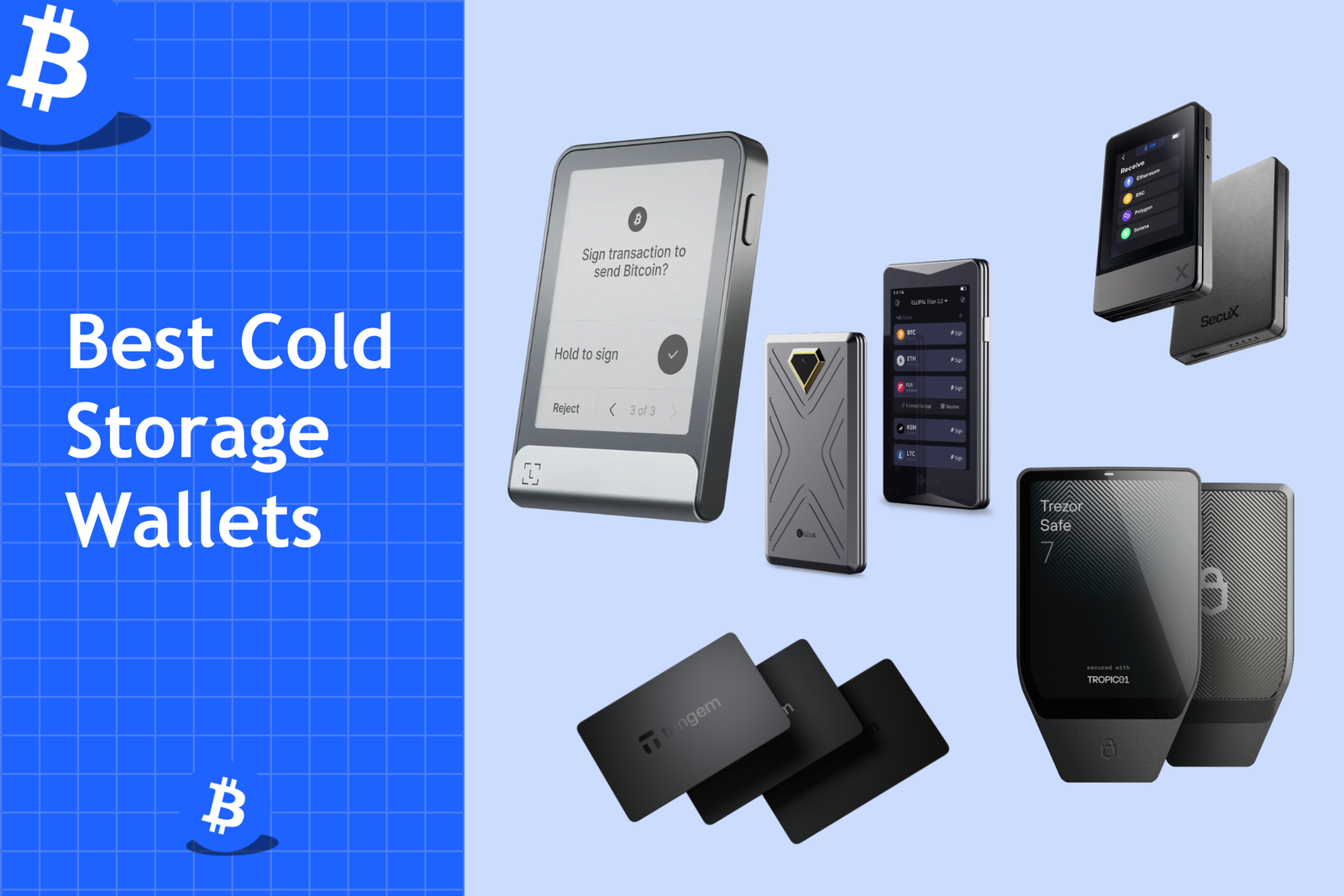
You see, as a new crypto user or someone who is not very familiar with cold wallets, finding the best cold wallets can be a headache. There are so many options for offline cold storage. You have Ledger, Trezor, Ellipal, SafePal, Tangem… it is confusing.
That is why I wrote this guide. I have tested almost every top cold wallets for cryptocurrency out there, and I want to show you exactly which ones are worth your money. I will be super factual. No fluff. Just the real info you need to protect your cryptocurrency assets.
Quick Summary: The best cold storage crypto wallets for altcoins and Bitcoin are ELLIPAL Titan 2.0, Ledger Nano Gen5, Trezor Safe 7, Ledger Flex, NGRAVE ZERO, BitBox02, Tangem, SafePal S1 Pro, ELLIPAL X Card, and Ledger Nano X due to their strong offline security, wide coin support, proven track records, and reliable real-world usability for long-term crypto storage.
Top 10 Best Cold Wallets for Altcoins Ranked (My List)
Below is my personal ranking of the best crypto cold storage wallet solutions 2026. I’ve ordered them based on security, usability, supported coins, and price. ELLIPAL ranks first in our test because I gave greater weight to isolated transaction signing and independent on-device verification than portability or third-party integration.
- ELLIPAL Titan 2.0 – Overall best cold wallet for 2026 (no WiFi, no Bluetooth, no Cellular; QR-code based)
- Ledger Nano Gen5 – Most secure cold storage wallet for altcoins (trusted by 10M HODLers)
- Trezor Safe 7 – Best Bitcoin-only cold wallet (open-source, Tor browser, and transaction mixing for anonymity)
- Tangem – NFC-based cold wallet crypto (Tap-and-go)
- ELLIPAL X Card – Most user-friendly cold storage crypto wallet (NFC-based credit card style)
- SafePal S1 Pro – Affordable and cheapest crypto cold storage solution
- Ledger Flex – Best cold storage wallet for staking (store and stake altcoins with touchscreen display)
- SecuX Wallet – Best cold wallet for NFTs
- NGRAVE ZERO – Most secure crypto cold wallet with EAL7 OS (highly pricy, not recommended)
- BitBox02 – Best cold storage option for Bitcoin (BTC-only firmware option available)
Which Cold Wallet Should You Buy?
You might be asking, “Which cold storage wallet for crypto should I just buy right now?” For most people, I suggest the ELLIPAL Titan 2.0. It is air-gapped, meaning it never connects to the internet. No USB, no Bluetooth. Just QR codes. It feels really safe.
But you might prefer something more portable. In that case, the new Ledger Nano Gen5 is amazing. It came out late 2025 and has this cool E-Ink touchscreen. It is super secure, easy to use, and fits in your pocket.
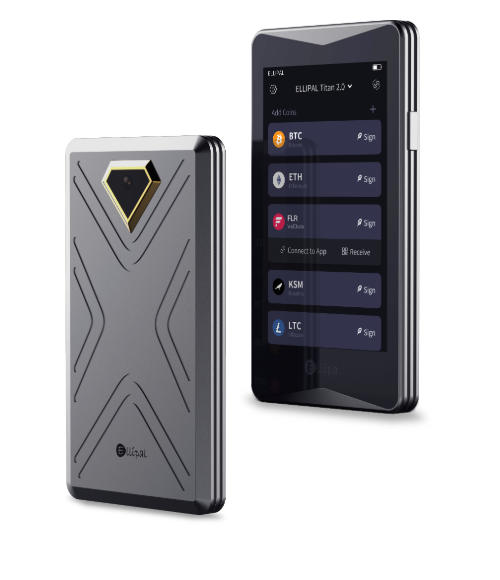
ELLIPAL Titan 2.0
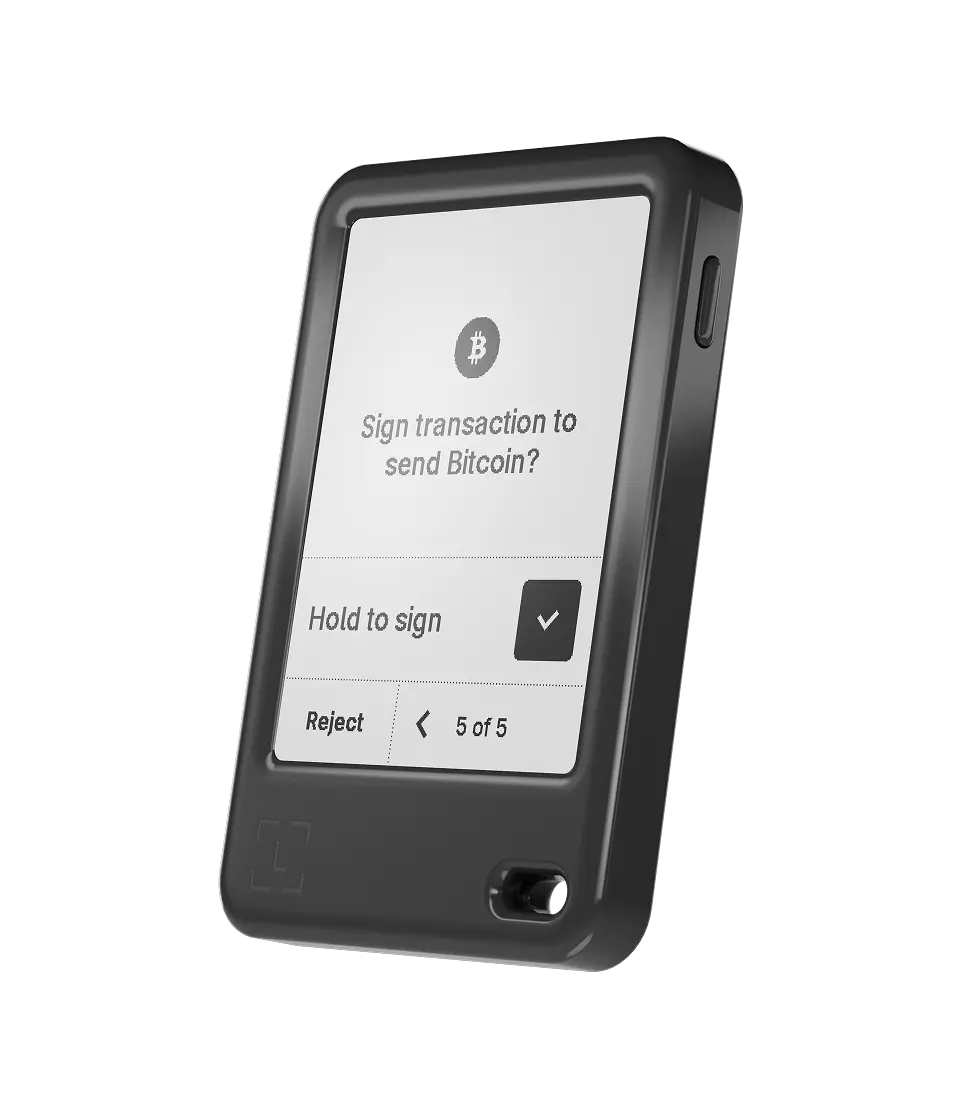
Ledger Nano Gen5
The Best Cold Crypto Wallets Reviewed (Full Guide)
Let’s give you an in-depth review of these best cold storage wallets. I will break down each wallet. I will tell you the good stuff, the bad stuff, and who it is for. These reviews come from months of testing and comparing these cold wallets…
1. ELLIPAL Titan 2.0: Overall best cold wallet for 2026
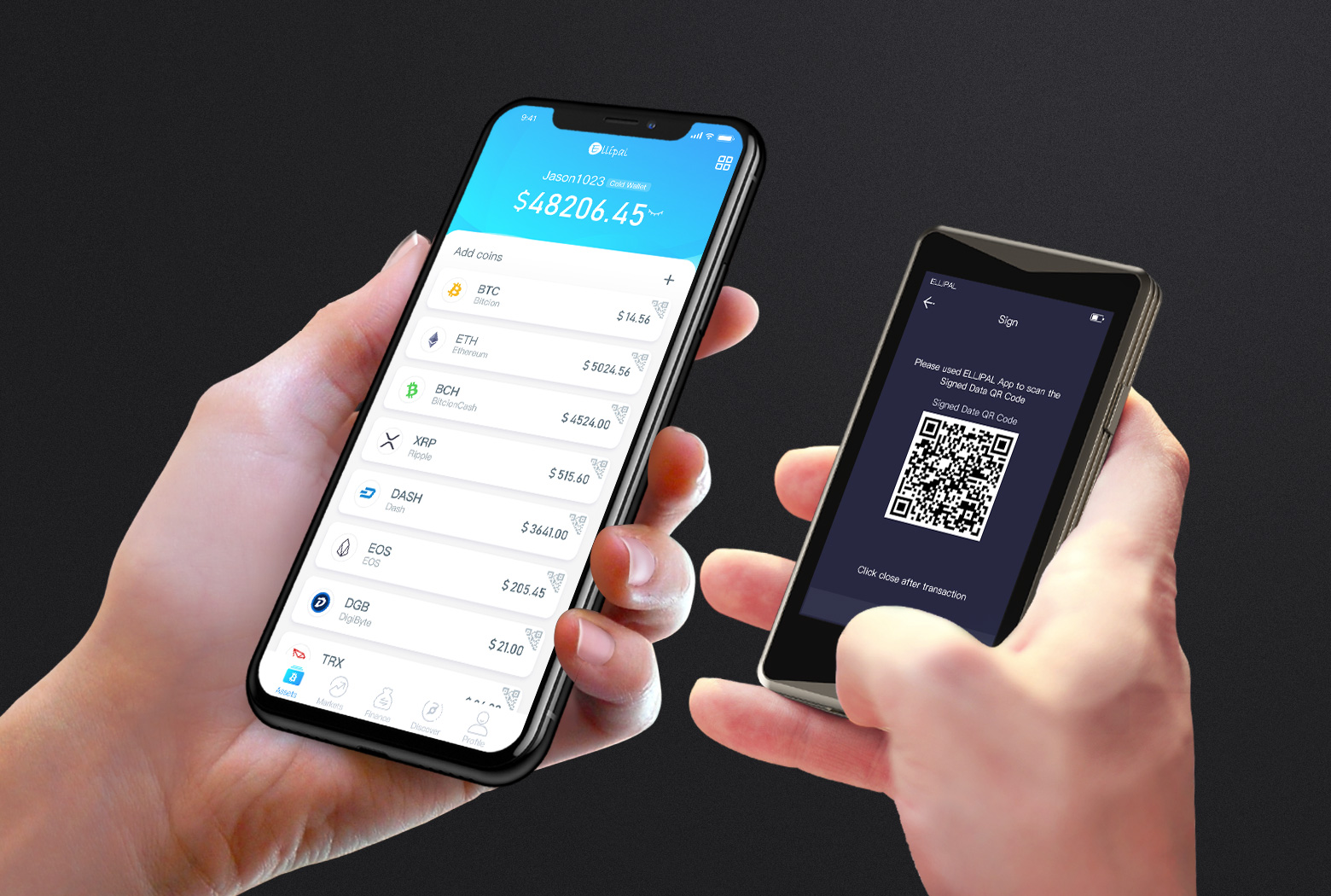
The ELLIPAL Titan 2.0 is the most secure cold storage wallet I’ve used, with offline security and a friendly interface. Well, it is 100% air‑gapped: it doesn’t have Wi‑Fi, Bluetooth, USB, or NFC. So, it communicates only by scanning and displaying QR codes.
The 4‑inch HD touchscreen makes it easy to view and confirm transactions, and the CC EAL5+ secure element chip provides hardware‑level protection. It supports more than 10,000 cryptocurrencies, including Bitcoin, Ethereum, most altcoins, and NFTs.
Also, I like that it self‑destructs if tampered with and that firmware updates are done offline using an SD card. Hence, in my opinion, this is the best cold wallet crypto solution for someone who wants to store their coins 100% offline.
| Type of Wallet | Cold wallet crypto (air‑gapped) |
| Supported Cryptos | 10,000+ coins and tokens (BTC, ETH, ERC‑20, NFTs) |
| Fees | Hardware costs around $119; network fees apply per transaction |
| Mobile App | Yes (ELLIPAL App for iOS and Android) |
| Connectivity | QR codes only (no Wi‑Fi/Bluetooth/USB) |
| Security Chip | CC EAL5+ secure element |
| Display | 4‑inch full‑color IPS touchscreen |
| Weight | About 140 g (heavy) |
Price and availability
ELLIPAL Titan 2.0 is widely available on the official ELLIPAL store and on Amazon. It costs about $119 for the device alone, and each package includes the wallet, a Type-C charging cord, a security adapter, a user manual, two seed phrase sheets, and a microSD card for firmware updates.
2. Ledger Nano Gen5: Most secure cold wallet for altcoins
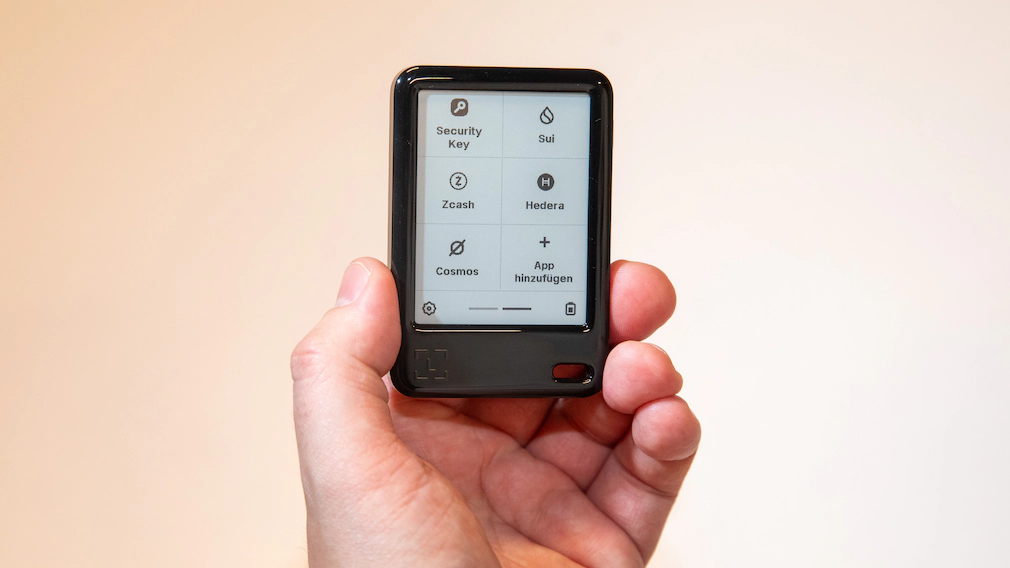
Ledger is another top cold wallet, and they have finally upgraded their wallet with the “Nano Gen5,” and it is a massive leap forward from the older Nano X. Basically, they kept the familiar stick shape but replaced the tiny screen with a clearer and larger E-Ink touch panel. It makes verifying addresses way easier on the eyes.
Now, security is still the main selling point here. The Gen5 uses a new EAL6+ certified chip, which is a step up in safety standards compared to older models. Plus, it connects via Bluetooth to your phone, so you can manage your portfolio on the go without needing a laptop.
I found the battery life is pretty solid too, lasting weeks on a single charge if you aren’t spamming transactions every hour. Also, in my testing, it was actually simple to stake coins directly from the wallet thanks to built‑in integrations.
| Type of Wallet | Cold wallet (hardware) |
| Supported Cryptos | 15,000+ coins and tokens (BTC, ETH, altcoins) |
| Fees | Device costs about $179; network fees apply per transaction |
| Mobile App | Ledger Wallet app for iOS, Android, and desktop |
| Connectivity | USB‑C, Bluetooth, NFC |
| Security Chip | CC EAL6+ secure element |
| Display | 2.8‑inch E‑ink (Clear Signing) |
| Battery | Up to 10 hours; rechargeable |
Price and Availability
The Ledger Nano Gen5 is priced at around $179.00. You can grab it directly from the manufacturer’s site or authorized retailers. It comes with a USB‑C cable, seed recovery sheets, a free Ledger Recovery key, and the Ledger Recovery option (optional subscription).
3. Trezor Safe 7: Best Bitcoin-only cold wallet
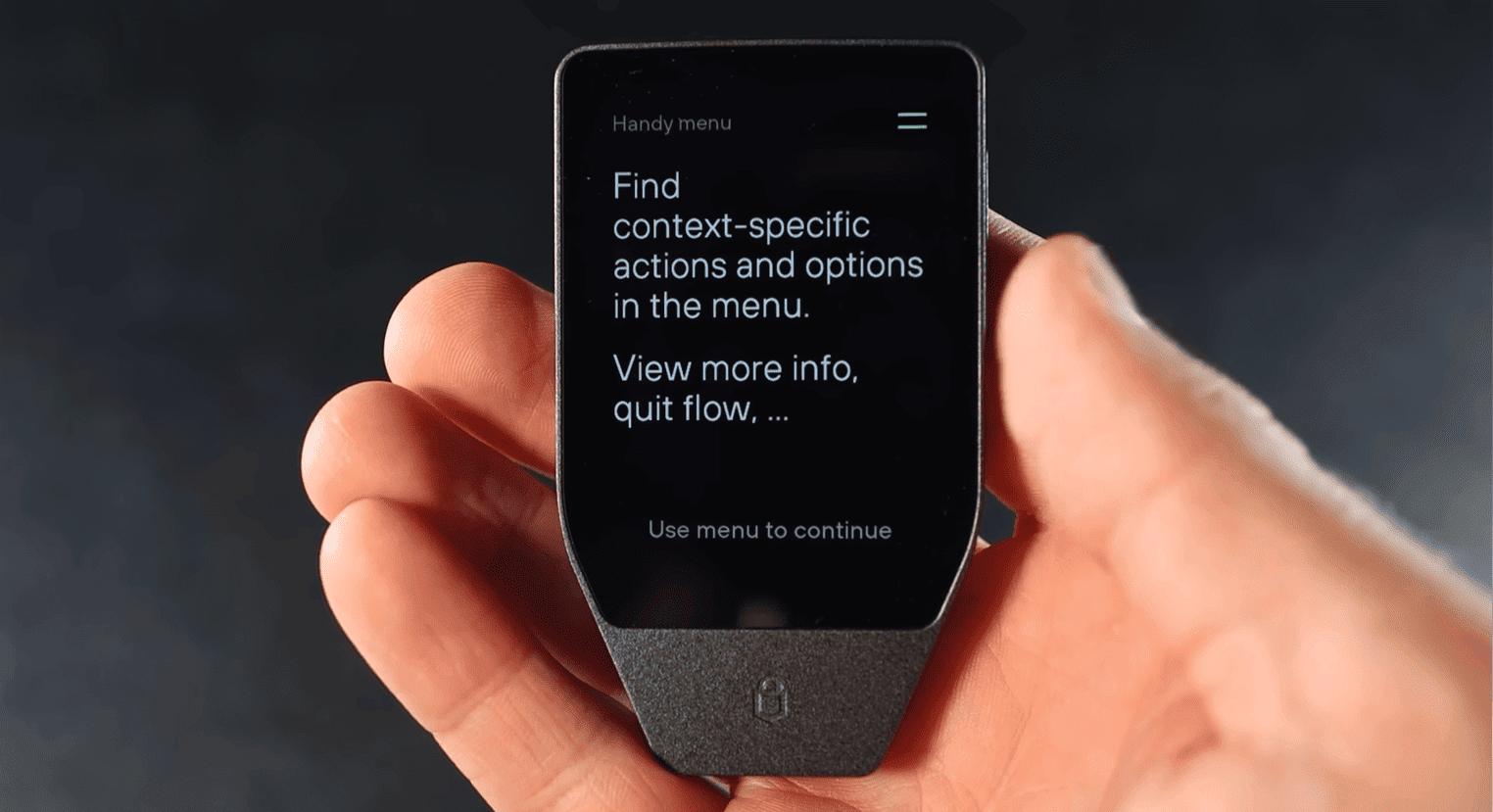
The Trezor Safe 7 takes security to a futuristic level with its dual secure elements and transparent TROPIC01 chip. It has a quantum-ready architecture. Look, if you are a Bitcoin maximist or just value open-source tech, this is the one. Also, unlike the older plastic models, this one feels premium with a Gorilla Glass front and aluminum body.
It has Bluetooth, Qi2 wireless charging, and a crisp 2.5‑inch touchscreen protected by Gorilla Glass. You can use the “Bitcoin-only” firmware to minimize the code and reduce attack risks, or the standard firmware to hold other altcoins.
| Type of Wallet | Cold storage crypto wallet with dual secure elements |
| Supported Cryptos | 9,000+ coins and tokens (Bitcoin, altcoins, NFTs) |
| Fees | Device costs around $219; network fees apply per transaction |
| Mobile App | Trezor Suite for desktop and mobile |
| Connectivity | USB‑C, Bluetooth, Qi2 wireless charging |
| Security Chip | TROPIC01 + EAL6+ secure element |
| Display | 2.5‑inch color touchscreen |
| Battery | Long‑life LiFePO4 (wireless charging) |
Price and Availability
The Safe 7 cold wallet sells for about $219 in the U.S. market. It’s available directly from Trezor and from authorized resellers in many countries. The box includes the wallet, USB‑C cable, seed phrase cards, and a quick‑start guide.
4. ELLIPAL X Card: Most user-friendly cold storage crypto wallet
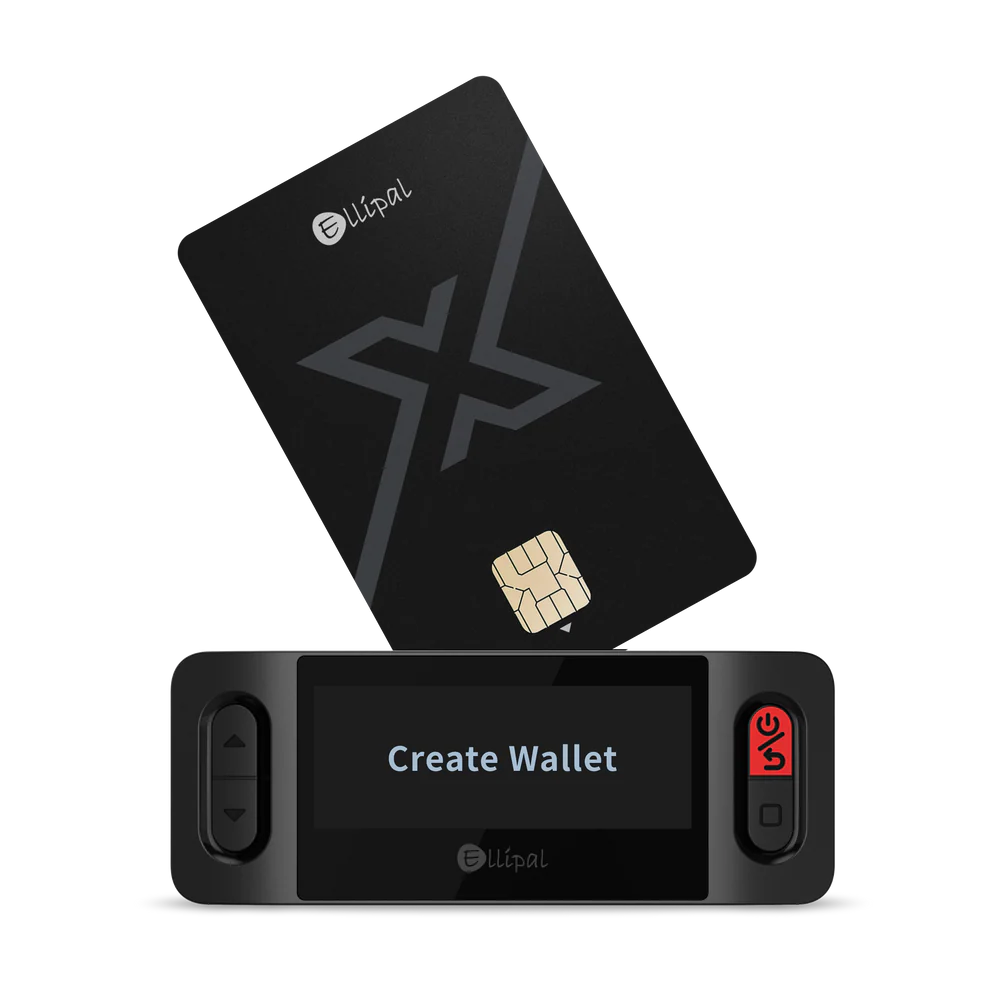
ELLIPAL X Card is the new credit-card type cold storage wallet for beginners and daily users. It is essentially a cold wallet that looks and feels exactly like a credit card, and even works using NFC tech. You can slip it into your actual wallet next to your Visa or ID.
It works seamlessly with the Titan 2.0 or just with the phone app. You just tap it or scan it to sign transactions. Generally, I recommend this for people who travel a lot and want a secondary “decoy” wallet or just something ultra-lightweight for daily use. (Read my full ELLIPAL wallet review)
| Type of Wallet | NFC card cold wallet |
| Supported Cryptos | 10,000+ coins and tokens |
| Fees | Single card costs about $69; optional starter kit extra |
| Mobile App | ELLIPAL mobile app |
| Connectivity | NFC (tap‑to‑sign) |
| Security Chip | CC EAL6+ secure element |
| Battery | None (power from phone’s NFC) |
| Backup | Duplicate up to 10 cards |
Pricing & Availability
The X Card is relatively affordable. It’s about $69 USD for one card (as of writing). Ellipal also sells bundles (like 3 cards for $169, etc.). You can buy it on Ellipal’s site or from other retailers. It’s in stock pretty much always; I got mine shipped in a week. Because it’s just a card, shipping is easy; and it’s a great spare backup (I even keep a second card in my travel bag).
5. SafePal S1 Pro: Affordable best cold wallet (cheapest option)
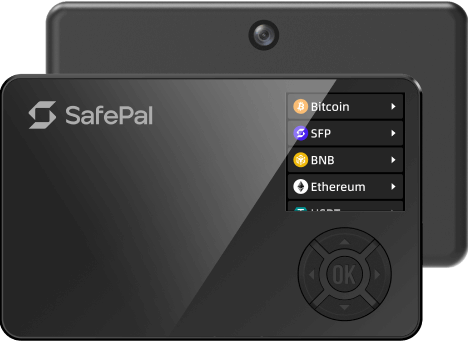
SafePal wallet is another top cold storage solution for crypto assets. It’s a palm‑sized device with a 1.3‑inch color screen and D‑pad controls. The S1 Pro uses a CC EAL6+ secure element and is completely air‑gapped: no Wi‑Fi, Bluetooth, NFC, or USB connectivity when signing.
The S1 Pro is the upgraded version of their original S1. It keeps the 100% air-gapped mechanism (using QR codes like Ellipal) but upgrades the body to a nice metal alloy and improves the camera.
Binance Labs invested in SafePal, so the integration with Binance and DeFi apps is super smooth. Actually, I find it to be the best option if you want to trade actively while keeping funds in cold storage. The camera scanning is fast, and the screen is clear enough to read transaction data.
| Type of Wallet | Air‑gapped cold storage wallet |
| Supported Cryptos | 200+ blockchains; unlimited tokens and NFTs |
| Fees | Device costs about $89.99; network fees apply |
| Mobile App | SafePal app for Android, iOS, Windows, macOS |
| Connectivity | QR codes only (no wired/wireless connections when signing) |
| Security Chip | CC EAL6+ secure element |
| Battery | 500 mAh (rechargeable via USB‑C) |
| Self‑Destruct | Yes (anti‑tamper sensors) |
Price and Availability
The SafePal S1 Pro retails for around $89.99. It comes with a USB‑C charging cable, a couple of seed phrase cards, and stickers. You can buy it from SafePal’s online store, Amazon, and various e‑commerce sites.
6. Ledger Flex: Best multi-chain cold storage wallet for staking
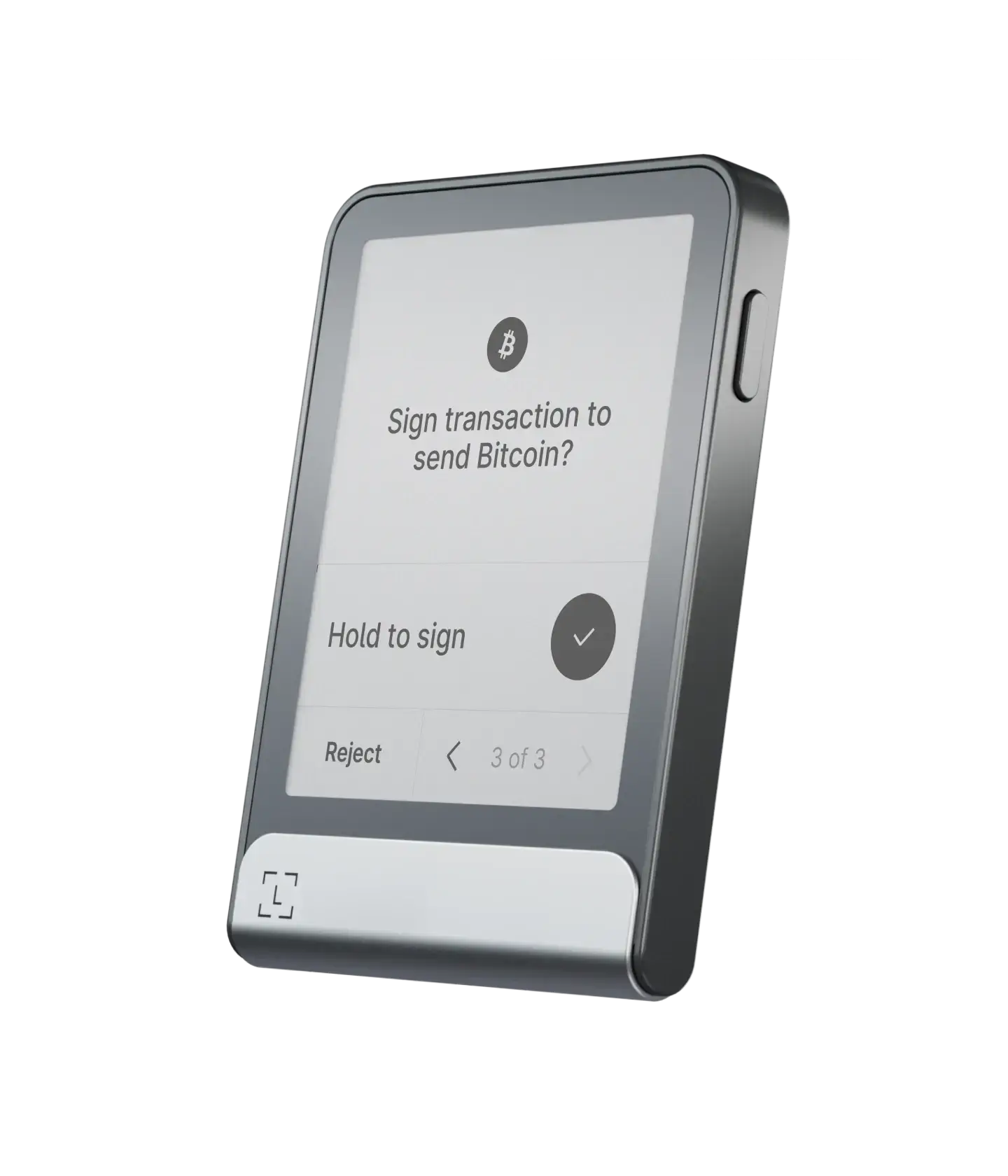
The Ledger Flex is another one of the best cold storage crypto wallets, and it sits between the Stax and the older Nano X. It’s like the middle child that offers premium features at a lower price. It features a 2.8-inch E Ink touchscreen that is incredibly energy efficient. You can leave it on your desk displaying your favorite NFT or QR code for days without draining the battery.
It runs on Ledger’s secure OS and connects via NFC and Bluetooth. The “Flex” name comes from how flexible it is to use across devices. I love using it to stake ETH and SOL directly through Ledger Live because the screen lets me verify the staking contract clearly before I hit sign.
| Type of Wallet | Hardware cold wallet with touchscreen |
| Supported Cryptos | 15,000+ coins and tokens |
| Fees | About $249 for the device; network fees apply |
| Mobile App | Ledger Live (desktop & mobile) |
| Connectivity | USB‑C, Bluetooth 5.2 |
| Security Chip | CC EAL6+ secure element |
| Display | 2.84‑inch E‑ink touchscreen |
| Battery | Up to 10 hours (weeks on standby) |
Price and Availability
Ledger Flex is priced at around $249. It comes with a magnetic folio, USB‑C cable, seed recovery sheets, and a Ledger Recovery Key card. It is widely available on Amazon and Ledger’s official store.
7. Tangem: NFC-based credit-card style cold wallet for crypto (Tap-and-go)
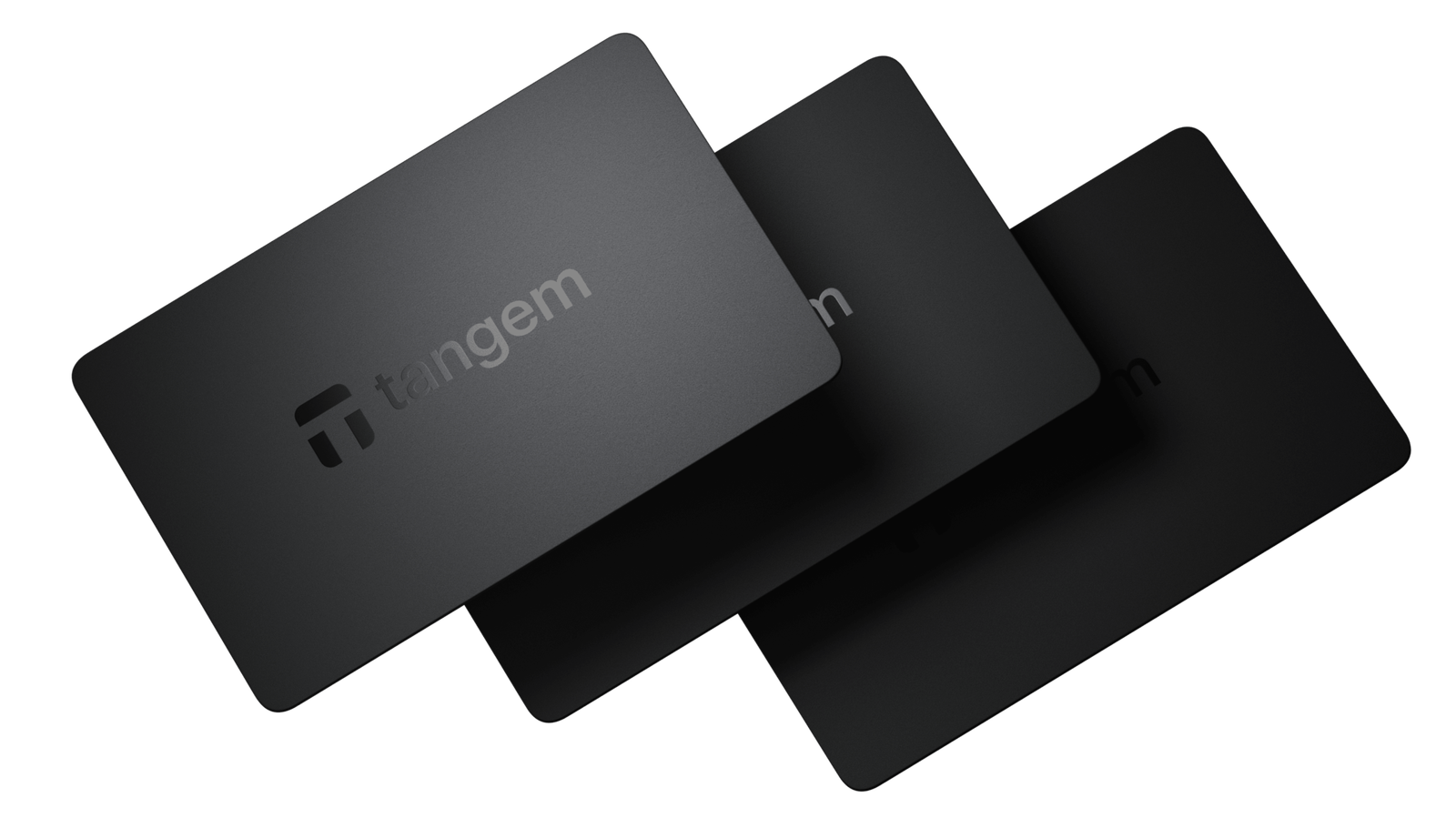
Tangem is a different crypto cold storage wallet. Basically, there is no screen, no buttons, and no batteries. It looks just like a bank card. To use it, you just tap it against the back of your smartphone using NFC. It is incredibly fast and intuitive.
It usually comes in a pack of two or three cards. You use one as your main key and keep the others as backups. Since the key is generated inside the card and never revealed (even to you), it is super secure against phishing because there is no seed phrase to steal unless you choose the seed-phrase option.
They even come with a 25‑year warranty, which is longer than any other wallet I’ve tried. Obviously, these cards are great if you want something simple, durable, and resistant to water and heat.
| Type of Wallet | NFC card cold wallet crypto |
| Supported Cryptos | 16,000+ coins and tokens |
| Fees | Two‑card set costs about $54.90; three‑card set about $69.90 |
| Mobile App | Tangem app for iOS and Android |
| Connectivity | NFC (tap‑to‑sign) |
| Security Chip | Proprietary secure element |
| Battery | None (25‑year lifespan) |
| Warranty | 25 years |
Price and Availability
Tangem cold wallet cards are sold in packs of 2, 3, or a family pack of 6. The two‑card set costs around $54.90, and the three‑card set about $69.90. They are available worldwide via Tangem’s website and Amazon.
8. SecuX: Best cold wallet for NFTs
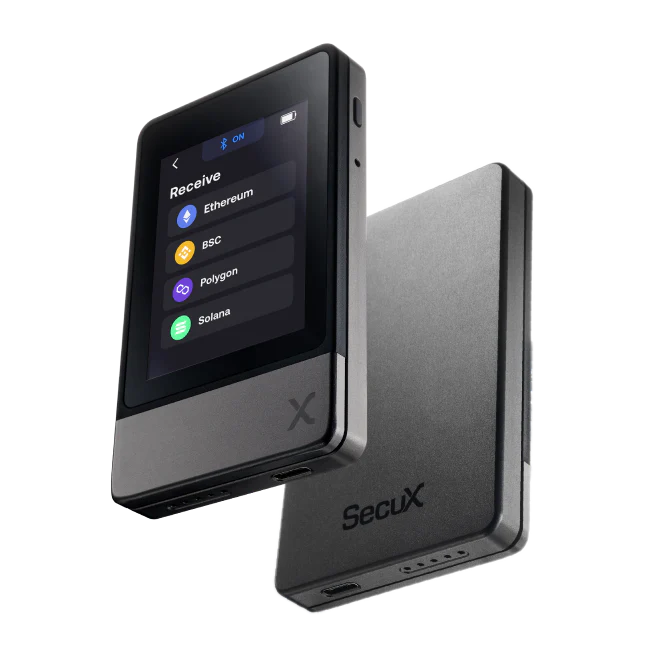
SecuX wallet is another top option for cold crypto storage. Well, if you are heavy into JPEGs and digital collectibles, the SecuX Nifty (or W20) is actually best. The Nifty model specifically has a screen optimized to display your NFTs in full color right on the device. You know, most wallets just show you a transaction hash, but SecuX actually lets you see the artwork.
The V20 is their rounded, shield-shaped wallet. They use a large 2.8-inch color touchscreen, which obviously makes navigating accounts really simple. Actually, it is a “vault” style device that feels substantial in your hand.
| Type of Wallet | cold wallet with touchscreen |
| Supported Cryptos | 1,000+ coins and NFTs on ETH, Polygon, BSC (multi-crypto cold wallet) |
| Fees | W20 around $99; Nifty around $169–199 |
| Mobile App | SecuX mobile app and web app |
| Connectivity | USB (Micro‑B or C), Bluetooth |
| Security Chip | CC EAL5+ secure element |
| Display | 2.8‑inch color touchscreen (360×240 px) |
| Battery | Several hours; rechargeable via USB |
Price and Availability
The SecuX W20 is priced at about $99. The Nifty (NFT‑focused) often goes for $169–199, sometimes discounted. They come with a charging cable, a velvet pouch, and recovery cards. SecuX sells directly on its site and through retailers.
9. NGRAVE ZERO: Highest-rated crypto cold wallet with EAL7 OS
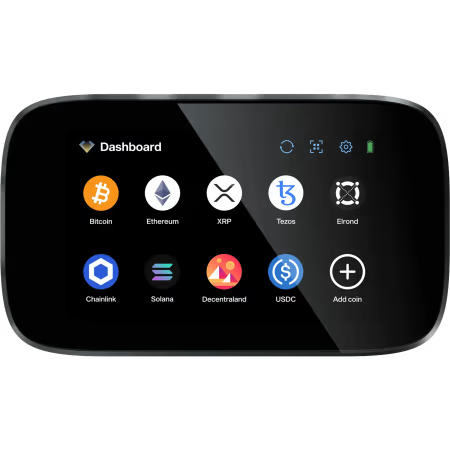
NGRAVE calls the ZERO the “coldest crypto wallet,” and they might be right. It is the only financial product with an EAL7 certified OS, which is higher than what banks typically use. The device itself is 100% offline; it has no Bluetooth, no WiFi, no NFC, and no USB data capability (only power).
It uses QR codes to connect to your phone. The build quality is solid. It also comes with a stainless steel “GRAPHENE” backup for your seed phrase that is fireproof and waterproof.
| Type of Wallet | Air‑gapped cold wallet |
| Supported Cryptos | ~1,000 coins and tokens (multi-chain cold wallet) |
| Fees | ZERO costs about $398; combo with Graphene about $498 |
| Mobile App | NGRAVE mobile app (Android, iOS) |
| Connectivity | QR codes only |
| Security Chip/OS | EAL7‑certified OS, biometric sensor |
| Display | 4‑inch color touchscreen |
| Backup | Graphene stainless steel plates |
Price and Availability
The standalone ZERO costs around $398, but the combo pack, which includes the Graphene backup plates, costs about $498. There’s also an ultimate pack with extra accessories for around $568. You can order directly from NGRAVE’s official site or from certain retailers.
10. BitBox02: Best cold storage option for Bitcoin (BTC-only firmware)
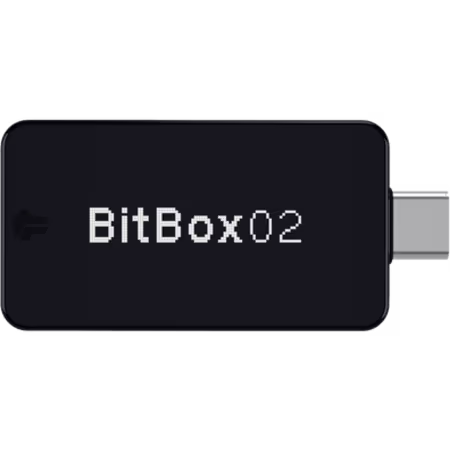
BitBox is the best cold storage option for Bitcoin users because it offers a Bitcoin-only firmware. It plugs directly into your USB-C port. The “Bitcoin-only” edition strips out all the code for altcoins, making the device leaner and theoretically harder to hack.
It uses touch sensors on the edges of the device instead of buttons or a touchscreen. It takes a minute to get used to, but it works well. The backup is handled automatically onto a microSD card, so you don’t have to write down words if you don’t want to.
| Type of Wallet | USB cold wallet |
| Supported Cryptos | Bitcoin‑only or multi-coin edition (ETH, ADA, LTC, ERC‑20) |
| Fees | Costs about €109 (~$119); network fees apply |
| Mobile App | BitBoxApp for desktop (Windows, macOS, Linux) |
| Connectivity | USB‑C with USB‑A adapter |
| Security Chip | Secure chip with open‑source firmware |
| Backup | MicroSD card (included) |
| Weight | ~12 g |
Price and Availability
BitBox02 costs around €109 (about $119 at current rates). Both the Bitcoin‑only and multi-crypto editions are available from ShiftCrypto’s site and some resellers. Now, each package includes the wallet, USB‑C extension cable, USB‑A adapter, microSD card, and stickers.
(Bonus) Ledger Nano X: Best cold wallet for MetaMask users
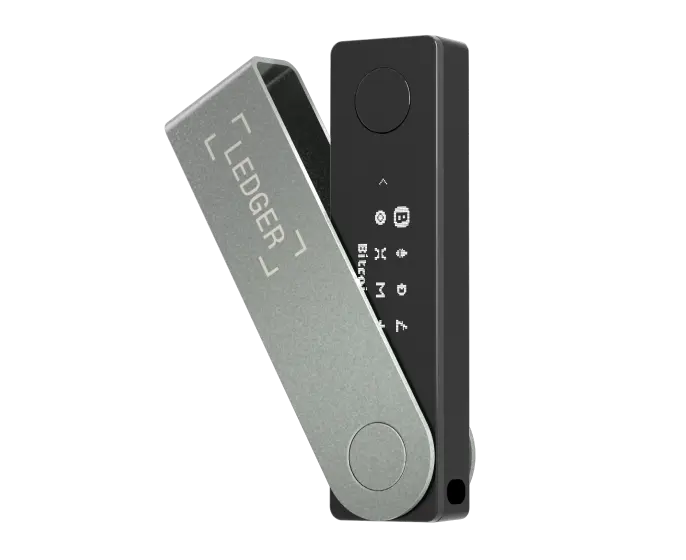
Okay, I know the Nano Gen5 is out, but the Nano X is still one of the best cold wallets and often cheaper now ($99 only). It is the industry standard for a reason. So, if you use MetaMask for DeFi, the Nano X integrates perfectly via Bluetooth or cable.
The Nano X uses a CC EAL5+ secure element and pairs with Ledger Live for portfolio management. Well, I still use my Nano X when I need to interact with DeFi on the road because it’s light and fits in my pocket like a USB stick.
| Type of Wallet | USB cold crypto wallet with battery |
| Supported Cryptos | 15,000+ coins and tokens |
| Fees | Costs about $99; network fees apply |
| Mobile App | Ledger Live mobile and desktop |
| Connectivity | USB‑C, Bluetooth |
| Security Chip | CC EAL5+ secure element |
| Battery | 100 mAh (several hours of use) |
| Storage | Up to 100 apps |
Price and Availability
The Nano X costs around $99. It includes a USB‑C cable, keychain strap, seed recovery sheets, and a quick‑start guide. You can buy it from Ledger’s official store, Amazon, and other retailers.
How I Tested and Ranked These Cold Wallets
I ranked these cold wallets based on security, ease of use, backup options, supported coins, build quality, software experience, and overall value for money. I did not rank a wallet higher just because it has more features or a lower price. The main goal was to find out how each device feels in real use and how well it protects your crypto during normal day-to-day transactions.
- I first looked at the security setup of each wallet. I checked whether it uses a Secure Element, how private keys stay protected, what type of connection it uses, and whether you can verify transaction details directly on the device. I also gave extra attention to air-gapped wallets because they reduce the need for direct USB, Bluetooth, or Wi-Fi connections.
- The next part was ease of use. I looked at the initial setup, wallet app, screen size, button or touchscreen controls, firmware updates, and how simple it is to send and receive crypto. A wallet can have excellent security, but I would not rank it highly for beginners if basic tasks feel confusing or take too many steps.
- I also compared recovery and backup options. Seed phrase support, passphrases, recovery methods, and backup flexibility matter because losing access to a hardware wallet should not mean losing access to your crypto.
- Coin and network support also affected the ranking. Some wallets work better for Bitcoin-only users, while others support thousands of coins, tokens, staking features, and Web3 apps. I considered what type of user each wallet suits instead of treating a larger coin count as an automatic advantage.
- Finally, I compared the price with what you actually get. Build quality, screen quality, battery, mobile support, accessories, software features, and long-term usability all matter here. I also checked official product specifications and current pricing again before updating this list.
After comparing all of these areas, I ranked each wallet based on its overall balance of security, usability, features, and value, while also pointing out where another wallet may be the better choice for a specific type of user.
| Test category | Weight |
|---|---|
| Private-key security | 25% |
| Transaction verification | 15% |
| Recovery & backup | 15% |
| Software/app usability | 15% |
| Coin/network support | 10% |
| Build quality | 10% |
| Price/value | 10% |
Comparison Between Best Cold Crypto Wallets
Here is a quick comparison table between all the best cold storage crypto wallets for altcoins and Bitcoin as well…
| Wallet | Price (approx.) | Security Certification | Supported Coins/Tokens | Connectivity | Unique Feature |
|---|---|---|---|---|---|
| ELLIPAL Titan 2.0 | $119 | CC EAL5+ | 10,000+ | QR codes only | Air‑gapped touchscreen |
| Ledger Nano Gen5 | $179 | CC EAL6+ | 15,000+ | USB‑C, Bluetooth, NFC | Clear Signing E‑ink display |
| Trezor Safe 7 | $219 | TROPIC01 + EAL6+ | 9,000+ | USB‑C, Bluetooth, Qi2 | Transparent secure element |
| ELLIPAL X Card | $69 | CC EAL6+ | 10,000+ | NFC only | Thin tap‑and‑go card |
| SafePal S1 Pro | $89.99 | CC EAL6+ | 200+ blockchains | QR codes only | Self‑destruct mechanism |
| Ledger Flex | $249 | CC EAL6+ | 15,000+ | USB‑C, Bluetooth 5.2 | Touchscreen with 16 shades of gray |
| Tangem | $54.90 (2 cards) | Proprietary | 16,000+ | NFC | 25‑year warranty |
| SecuX (W20/Nifty) | $99–199 | CC EAL5+ | Thousands | USB, Bluetooth | NFT image preview |
| NGRAVE ZERO | $398–498 | EAL7 OS | ~1,000 | QR codes only | Multi‑layer authentication |
| BitBox02 | $119 | Secure chip (open source) | ~1,000 | USB‑C | MicroSD card backup |
| Ledger Nano X | $149 | CC EAL5+ | 5,500+ | USB‑C, Bluetooth | Up to 100 apps, great for MetaMask |
How These Cold Wallets Performed in Real Use
- ELLIPAL Titan 2.0: It felt slow scanning QR codes at first, but well, it became second nature pretty quickly. The weight is substantial, so I never carry it around; it just sits in my home safe. Also, the large screen makes looking over addresses very comfortable. It has downsides, though, like firmware updates requiring planning, and I had to keep a microSD card handy. I would recommend this for long-term storage, not really for quick trades.
- Ledger Nano Gen5: The clear E-ink screen is actually one of my favorite features because it is like reading a Kindle. I appreciate the fact that you can use it with a phone or laptop, and the new Ledger Wallet app is slick. But the price is high, and I worry a bit about relying on Ledger’s subscription recovery service even though I haven’t used it. Overall, it is a solid choice for heavy altcoin users.
- Trezor Safe 7: The premium feel of the aluminum body and wireless charging honestly made me smile. It is almost like holding a mini smartphone in your hand. Also, the quantum-ready firmware gives me peace of mind for the future. However, the dual secure elements mean a bit more setup, and I found the interface slightly busy. It is great for people who appreciate cutting-edge security and are willing to pay for it.
- ELLIPAL X Card: Tapping to sign on my phone is quick, and the ability to clone the card for backups is clever. The downside is the reliance on the mobile app since there is no way to double-check details on the card itself. I recommend it for casual users who need portability and simplicity.
- SafePal S1 Pro: This best cold wallet sits in a really nice sweet spot regarding price and features. Scanning QR codes is simple, but the tiny screen can be a pain when verifying long addresses. The battery life has been good, but I do have to remember to charge it every few weeks.
- Ledger Flex: I check this device for staking mostly because its interface makes it easy to approve transactions. The magnetic folio protects the screen and looks professional on my desk. The main drawback is the cost, since it is almost as expensive as some high-end wallets. I think it is best for people who want a Stax-like experience without the full price tag.
- Tangem Cards: They are cheap, robust, and simple to use. The main trade-off is the lack of a screen, so there is no independent verification. Also, because they rely on your phone’s NFC, they are not ideal if you want to keep your wallet far away from a mobile device.
- SecuX (W20/Nifty): I appreciate the dynamic keypad and the ability to view NFT images before signing. The larger screen makes navigation comfortable. However, the W20’s battery life isn’t as long as I would like, and the Nifty model is expensive. These wallets are perfect for NFT collectors who need to see the artwork before confirming a transfer.
- NGRAVE ZERO: The fingerprint sensor, EAL7 operating system, and Graphene plates give me confidence that my funds are safe. But the cost and complexity make it impractical for everyday use.
- BitBox02: It is the only cold wallet I check that slips easily into a laptop port without an adapter. I love the microSD backup. The only drawback is the limited coin support, so I can’t store some of my favorite altcoins on it. It is the best cold storage option for Bitcoin.
How to Choose the Best Cold Wallets in 2026
1. Security Architecture: The Chip vs. The Code
You’ll see two main philosophies in the above best cold storage wallets here.
- Secure Elements (SE): This is what Ledger cold wallets use. It’s a specific chip (like the one in your credit card or passport) designed to keep secrets. It’s very hard to hack physically.
- Open Source: This is the Trezor cold wallet route. They believe security comes from transparency. Their code is public, so anyone can check it for backdoors.
Honestly, unless you are a target for international super-spies, both are incredibly secure. I personally lean towards wallets with a Secure Element just for that extra peace of mind against physical tampering, but plenty of hardcore Bitcoiners swear by open source. So, I would say, don’t overthink this part too much, just make sure the cold wallet brand is reputable.
2. Connectivity Options: Air-Gapped, USB, NFC, or Bluetooth
- Cables (USB): Most Trezors and the older Ledgers need to be plugged into a computer. So, if you mostly manage your portfolio on a laptop on Sunday afternoons, this is fine.
- Bluetooth: The Ledger Nano Gen5 and some others connect wirelessly to your phone. If you’re the type of person who needs to move funds while sitting in an Uber, you absolutely need Bluetooth.
- Air-Gapped (QR Codes): The other best cold wallets, like Ellipal or SafePal, don’t plug into anything. You can use a camera to scan QR codes back and forth. It feels very “Mission Impossible” and is super secure, but it can be a bit annoying for day-to-day use.
3. Screen Size and Buttons
Well, this sounds trivial, but it matters. The Ledger Nano S Plus has tiny buttons. If you have big fingers, entering your PIN code feels like trying to text on a Nokia brick phone from 2005. It’s frustrating.
Cold wallets with touchscreens (like the Ledger Flex) are way easier to use, but they cost almost double. So, if you plan to use it every day, spend the extra money for a touchscreen. But, if it’s just for long-term storage (HODLing), you can actually get the cheap one with the tiny buttons.
4. Coin Support
You see, not every wallet holds every coin. If you only own Bitcoin and Ethereum, literally any cold wallet works.
But if you are holding newer coins like Solana, Cardano, or some random meme coin on the Base network, check the manufacturer’s list first. I once bought the one best cold storage wallet only to realize it didn’t support the one altcoin I wanted to store. I had to use a third-party app to bridge the gap, which was obviously a hassle. Read my guide on the best multi-chain hardware wallets.
5. Mobile App (Software Experience)
The cold storage device is only half the battle; the other half is the app you use on your computer or phone. You want software that doesn’t require a computer science degree to navigate.
Ledger Live and Trezor Suite are the gold standards here. They are polished, easy to read, and let you visualize your portfolio clearly.
But again, some newer, niche cold wallets have clunky software that feels like it’s still in beta testing.
Pro Tip: Check if the wallet has native DeFi support or staking capabilities within its own app. It is a huge pain to have to connect your crypto cold wallet to a third-party site like MetaMask every time you just want to stake some coins for yield.
6. Hardware Wallet Backup (Seed Phrase & Multisig)
Everyone knows you need to write down your seed phrase (those 12-24 words), but how the crypto wallet handles this varies.
- Standard: The cold wallet shows you the words on its screen, and you write them on paper. Simple.
- Advanced: Some of the best cold wallets offer Shamir Backup, which splits your seed phrase into multiple parts (e.g., you need 2 out of 3 lists of words to recover the wallet). You will see this option in Trezor cold wallets.
- Multi-signature: Now, if you have serious wealth, look for the best cold storage wallets known for easy multi-signature setups. This requires multiple devices to approve a transaction, so if a thief steals one wallet, they still can’t take your money.
What is a Crypto Cold Wallet?
A crypto cold wallet is a device or physical medium that stores the private keys to your cryptocurrencies completely offline. Well, this isolation protects your coins from online hacks, phishing attacks, and malware.
Now, cold wallets can take the form of hardware devices like those reviewed above, paper wallets printed on paper, or metal plates engraved with seed phrases. They’re considered the best ways to store Bitcoin offline because they remove the main attack vectors used by hackers.
Tip: Your crypto is not actually inside the device. Your crypto lives on the blockchain (the internet). The cold storage device just holds the “password” (private key) needed to move that crypto.
How do cold crypto wallets work?
A cold wallet works by generating your private key and seed phrase on the device or offline environment. The wallet signs transactions internally and then outputs a signed message via QR code, USB, or NFC.
Then, the signed transaction can be broadcast to the blockchain using a separate online device without exposing your private keys.
Here’s how the above-listed best cold storage wallets generally work:
- You generate your wallet and seed phrase on the device. This 12‑ or 24‑word phrase acts as the root of all your addresses.
- When you want to receive crypto, your device displays a public address or QR code. Anyone can send crypto to this address because it doesn’t reveal your private key.
- When you want to send crypto, you build a transaction on your phone or computer (without the private key). The transaction details (amount, recipient, fee) are then transferred to the cold wallet via USB, QR code, or NFC.
- The cold wallet signs the transaction internally using your private key. The signed transaction is then passed back to the online device.
- Finally, the online device broadcasts the signed transaction to the blockchain network. At no point does your private key leave the secure element.
What are the Benefits of Using Cold Wallets for Cryptocurrency?
You see, why spend money on a device when a software wallet is actually free? Honestly, there are a few massive reasons.
Unbeatable Security (Offline Storage)
The main reason anyone buys these best cold storage crypto is security. You know, hot wallets are constantly connected to the internet. So, that makes them easy targets for hackers who use malware or phishing links to drain funds.
But a cold wallet keeps your private keys completely offline. It is like an air-gap. Even if your computer is totally infected with viruses, the hacker cannot touch your coins because the keys never leave the device. You physically have to approve everything.
True Ownership (Self-Custody)
You have probably heard the phrase “Not your keys, not your coins.” It is a cliché for a reason. When you keep money on a crypto exchange like Coinbase or Binance, you don’t actually own that crypto. The exchange does. You just have an IOU. And, if they decide to freeze your account or if they get hacked, you are out of luck.
With a cold wallet, you own the private keys. You are the bank. There is no middleman who can tell you what to do with your money. You have total control 24/7.
Protection Against Exchange Bankruptcy
You remember what happened with FTX and Celsius. Millions of people lost their life savings overnight because they trusted a company to hold their money. It was a disaster.
Well, using a cold storage crypto wallet protects you from exactly that. Since you hold the digital assets yourself on the blockchain, it does not matter if the exchange goes bankrupt, gets sued, or disappears. Your coins are safe.
Physical Transaction Verification
This is a feature people often overlook. You see, when you send money from a software wallet, a virus on your PC could secretly swap the address at the last second. You might think you are sending it to a friend, but it goes to a hacker.
A cold wallet prevents this. You have to physically look at the small screen on the device and press a real button to confirm the transaction. Malware cannot press a physical button. So yes, it forces you to double-check everything.
Privacy and Anonymity
You know, most centralized crypto exchanges require you to give them your ID, address, and sometimes even a selfie. It is called KYC (Know Your Customer).
But maybe you don’t want your personal identity linked to your savings. The best cold wallets for crypto generally don’t require any personal info to set up. You just buy the device, set it up, and you are good to go. You don’t need to provide an email or a phone number to start receiving Bitcoin.
Long-Term Durability and Backup
Software crypto wallets can be deleted, or you might lose your phone. But these best crypto cold wallets are built for the long haul. Most of them are durable, and some are even water-resistant or made of metal.
But the real benefit is the backup system. Generally, when you set it up, you get a seed phrase. As long as you have that phrase written down on paper or a metal plate, your crypto is immortal. You could smash the device with a hammer, and your money is still safe. You just buy a new one and restore it. It is perfect for generational wealth.
Read more: Best hardware wallet for NFTs
Comparing Hot vs Cold Wallets
- Hot wallet = keys are on an internet-connected device (phone/PC/browser).
- Cold wallet = keys are kept offline (usually a dedicated crypto hardware wallet device; sometimes true “air-gapped” setups).
| Category | Hot Wallet (Software) | Cold Wallet (Hardware / Offline) |
|---|---|---|
| Primary purpose | Speed + convenience for frequent use | Maximum protection for long-term storage |
| Private key exposure | Keys exist on an online device at some point | Keys generated/stored offline; signing happens on device |
| Best for | Daily trading, DeFi, small balances, payments | Long-term holding, large balances, “sleep-at-night” security |
| Security against malware | Weak–Medium (depends heavily on device hygiene) | Strong (malware can’t easily steal keys) |
| Security against phishing | Medium (easy to trick users to sign) | Medium–Strong (device confirmation helps, but phishing still works) |
| Security against SIM-swap / account takeover | Relevant if you rely on cloud logins, SMS, or exchanges | Mostly irrelevant (no SMS login for keys) |
| Convenience | High (open app, sign fast) | Medium (need device, connect, confirm) |
| Speed of transactions | Fast | Slightly slower |
| Cost | Usually free | Costs money (device) |
| Setup complexity | Low | Medium |
| Backup method | Seed phrase (12/24 words), sometimes cloud options | Seed phrase (12/24 words) + device PIN/passphrase |
| If your device is stolen | Risky if wallet is unlocked or weak device security | Usually safe if PIN/passphrase used; attacker still needs seed |
| If you lose your device | Restore from seed phrase | Restore from seed phrase (device is replaceable) |
| If someone gets your seed phrase | Funds can be drained immediately | Funds can be drained immediately |
| Common failure mode | User installs malicious app/extension or signs malicious approvals | User doesn’t verify on-device details or loses seed |
| Typical attack surface | Browser extensions, clipboard hijacks, fake apps, OS malware, remote access | Supply chain risk, fake firmware, social engineering |
| DeFi/NFT usability | Excellent | Good but sometimes clunkier |
| Multi-chain support | Broad (varies by wallet) | Broad (varies by device/app) |
| Privacy | Depends: some wallets leak metadata; browser wallets can be tracked | Similar; depends on companion software + RPC choice |
| Ideal balance size | Small-to-moderate | Moderate-to-large |
| Recovery strength | Seed phrase + optional passphrase | Seed phrase + optional passphrase (strongly recommended for big holdings) |
| Best practice pattern | “Checking account”: spending + DeFi | “Savings vault”: long-term |
What Altcoins Can You Store in a Cold Wallet?
Most hardware cold storage wallets nowadays are multi-coin or multi-chain. Bitcoin, Ethereum, Litecoin, Cardano, Polkadot, Solana, Ripple (XRP), and hundreds of others are supported by devices like Ledger Wallet, Ellipal, SafePal, etc.
For example, Titan and SafePal both support ~10,000 tokens across 40+ chains. Ledger Gen5 and Flex support 15,000+ assets. Trezor (except the BTC-only model) supports 9,000+ coins. SecuX covers NFTs, too.
Read more: Most secure hardware wallet for Bitcoin
How to Set Up and Use a Cold Storage Crypto Wallet?
You see, each cold storage wallet is a bit different, but honestly, the general process is pretty much the same across the board.
- Unbox and Inspect: Start by carefully checking the box. You really need to make sure the packaging is totally intact, and if the tamper-proof seal looks broken or if the box looks messed up, do not use it. It is possible someone tampered with it. Just return it immediately to be safe.
- Charge and Power On: Next, go ahead and turn the device on. If you bought a wallet with a built-in battery like the NGRAVE or Ledger Flex, you might need to charge it up for a while first. But if it is a simple USB model, just plug it directly into your computer.
- Initialize the Wallet: You will see a few options on the screen, but you want to choose “Create new wallet”. The device will generate a completely random seed phrase for you, and now, you need to write these words down on paper or a steel plate exactly as they appear.
- Confirm Your Seed: Now, the device is going to test you. It needs to know that you actually wrote the words down correctly. It will ask you to confirm specific words from your list. You have to select the right ones to verify that your backup is accurate.
- Set a PIN Code: You need to pick a PIN code to lock the device. So, choose something that is not easy to guess. This PIN protects your physical device so that if someone steals it from your desk, they cannot just turn it on and see your coins.
- Record Recovery Info: Well, once the setup of your best cold storage wallet is done, take that card or steel plate with your seed phrase and store it somewhere super safe. You should also note down any other specific details, like a passphrase if you set one up. Do not lose this info.
- Install the App: You need to grab your phone or computer and download the official companion app for your cold wallet. Whether it is Ledger Live, SafePal, or Trezor Suite, just make sure you get it from the official website. Do not download fake apps from random links.
- Pair the Device: Now you need to connect your cold cryptocurrency wallet to the app. Well, depending on the model you bought, you might plug it in with a USB cable, connect via Bluetooth, or just scan a QR code if you are using an air-gapped device.
- Add Your Accounts: Inside the app, you need to set up accounts for the specific coins you own. You usually click a button that says “Add Account” and then select Bitcoin or Ethereum. This creates your unique address on the blockchain for that coin.
- Receive Crypto: You are finally ready to get paid. Click “Receive” in the app to see your address. But wait, always look at your device screen to verify the address matches. Then, send a tiny test amount first to make sure it lands safely.
- Making Transactions: Hence, when you want to send crypto out, you will start the process in the app. Then, your device will wake up and ask you to sign. You have to physically approve it on the device screen using the buttons. It feels really secure knowing nothing moves without your touch.
How to move crypto to cold storage?
Well, if you have crypto in a hot wallet or exchange, send it to the address on your best cold wallet for cryptocurrency.
- In your cold wallet’s app, find the “Receive” address for the coin (or use the device to display it).
- Copy that address exactly, or scan it. Double-check it’s correct (attacks sometimes change it).
- In your exchange or hot wallet, initiate a withdrawal to that address. Start small to be safe.
- Wait for confirmations. Check with a block explorer to ensure it arrived.
- Once confirmed, your crypto is now “on the cold wallet”. Sign out, and you’re done.
How do I make a secure backup of my cold storage crypto wallet?
When you start the cold wallet, it gives you a Recovery Seed Phrase. It is usually 12 or 24 words.
Rules for Backup:
- Write it down on paper. Or use a metal plate.
- NEVER take a photo of it.
- NEVER type it into a computer or phone.
- NEVER save it in Google Drive or iCloud.
- Store it safely. Put it in a fireproof safe or hide it well.
Well, if you lose your device, you can buy a new cold wallet and type in these words to get your money back. But if you lose these words, your money is gone forever. No one can help you.
Crypto Cold Storage Best Practices
- Keep devices offline: You should really keep your best cold storage wallet offline as much as possible. You can only plug it in when you actually need to sign a transaction, and then, when you are done, unplug it and put it back in a safe place immediately.
- Store backups separately: It is smart to keep your backups in different places. Don’t put your seed phrase card or metal plate in the same box as the wallet itself. You see, if a fire happens, you lose both. Try a fireproof safe or even a bank deposit box for the backup.
- Use passphrases: If your wallet supports it, you should definitely add a passphrase. This acts like a 25th word that only you know. So, if a thief finds your seed phrase card, they still can’t steal your money without that extra password.
- Beware of phishing: You must never type your seed phrase into a computer or website. The companies that make these wallets will never ask you for it online. Only ever enter those words directly onto the device’s screen when you are recovering a lost wallet.
- Check firmware updates: Companies release updates to fix bugs and security holes. You should check for these updates every few months, and just make sure you are downloading them from the official site so you don’t install fake software.
- Protect from physical damage: Electronic devices can break if you drop them or get them wet. You should keep your wallet in a protective case to stop moisture or shock damage, and if you are clumsy, maybe get a steel wallet or a durable card like Tangem cold wallet.
- Teach a trusted person: Think about what happens if something happens to you. Someone you trust needs to know how to access your funds. You should write a simple guide on how to use a cold wallet and store it safely with your backup seed.
Conclusion: Best Cold Wallets for Cryptocurrency
To sum up, you have likely read this guide by now about the best cold storage wallets for altcoins. But, if you are still feeling unsure about which one to choose, here is my candid verdict for you.
I usually recommend that most people combine a premium cold storage crypto wallet, such as the ELLIPAL Titan 2.0 or Ledger Nano Gen5, with a user-friendly backup like the ELLIPAL X Card or Tangem. You can use the premium device to store large sums and interact with DeFi when necessary. Then, use the cheaper backup to hold smaller balances or to share with a spouse or family member.
Now, if you are an NFT collector, you should go for the Ledger Flex, ELLIPAL, or even SecuX. For Bitcoin maximalists, the BitBox02 (BTC‑only) is simple and reliable. Also, for everyday users who love MetaMask, the Ledger Nano X remains a solid choice.
Best by use case:
| Need | My Pick |
|---|---|
| Best overall cold wallet | ELLIPAL Titan 2.0 |
| Best for altcoins | Ledger Nano Gen5 |
| Best open-source option | Trezor Safe 7 |
| Best budget option | SafePal S1 Pro |
| Best card wallet | Tangem |
| Best premium security | NGRAVE ZERO |
| Best Bitcoin-only option | BitBox02 |
| Best for staking/DeFi | Ledger Flex |
Read: Best crypto hardware wallets
FAQs: Top Cold Wallets for Bitcoin and Altcoin Storage
What is the best cold crypto wallet?
I often say there isn’t a single “best” cold storage wallet because it depends on your needs. So, if you want maximum security and don’t mind a higher price, the ELLIPAL Titan 2.0 and Ledger Flex are the best offline storage options for cryptocurrency.
But, for everyday convenience and DeFi usage, Ledger Nano Gen5 or Tangem Wallet might be better. You should try to always balance security, ease of use, and cost.
Are Trezor and Ledger cold wallets safe to use?
Yes, both Trezor and Ledger cold wallets are highly secure to use for Bitcoin and altcoins. They use secure chips and have been battle‑tested for years.
Trezor’s Safe 7 introduces a transparent secure element and quantum‑ready firmware, while Ledger wallets have secure element certifications and a long track record. The main concerns revolve around supply chain security and proper use. So, you just need to always buy from official sources and follow the best cold storage practices.
Which crypto cold storage wallet is best for beginners?
Well, for beginners, I recommend Tangem or ELLIPAL X Card. Tangem’s cards are straightforward: you tap the card with your phone to sign a transaction. X Card is also NFC-based and costs less than $60. Also, both of these best cold storage wallets provide strong security at a reasonable price without overwhelming new users.
What’s the difference between a hardware wallet and a paper wallet for crypto cold storage?
A hardware wallet is an electronic device that generates and stores private keys in a secure chip. It can sign transactions offline and often includes features like touchscreens, Bluetooth, or NFC.
A paper wallet is simply a printed copy of your private key or seed phrase. While a paper wallet is inexpensive, it’s easy to lose, damage, or expose to someone’s camera. So, crypto hardware wallets provide better physical durability and sometimes tamper detection, and hence, making them safer for most users.
Do crypto cold wallets work with mobile apps, or do I always need a computer?
Yes, most of my listed best cold storage crypto wallets now pair with mobile apps. Ledger, ELLIPAL, SafePal, SecuX, and Tangem all have iOS and Android apps. This means you can manage your crypto from your phone without needing a computer.
Also, other cold wallet devices like BitBox02 are still primarily desktop‑oriented, while the NGRAVE ZERO uses QR codes so you can interact using a phone app.
What happens if I lose my cold storage wallet? Do I lose all my crypto too?
No, you don’t lose your crypto if you have your seed phrase or backup. You see, cryptocurrencies are stored on the blockchain, not on the device itself, and the cold wallet simply stores the keys needed to access those coins.
Now, if your cold crypto wallet is lost, damaged, or stolen, you can recover your funds by entering your seed phrase into a new compatible hardware wallet. That’s why backing up your seed phrase is crucial.
Can I stake coins or use DeFi apps with a crypto cold storage wallet?
Yes, many hardware wallets integrate with staking and DeFi. For example, Ledger wallets allow staking of coins like Ethereum, Polkadot, and Cardano through Ledger Live or third‑party apps.
ELLIPAL and Trezor connect to decentralized apps via WalletConnect. You just remember that you’ll still need to sign transactions offline on the device, and staking rewards will arrive directly into your cold wallet.
Are cold crypto wallets completely offline, or do they connect to the internet sometimes?
The wallet device itself never connects to the internet to expose keys. It connects to an app (phone/PC), which connects to the internet to broadcast public data. The private keys stay locked inside the device offline.